Culture Shock
The ultimate culture shock survival guide. Squat toilets, staring, and personal space.
Social Curiosities & Photos
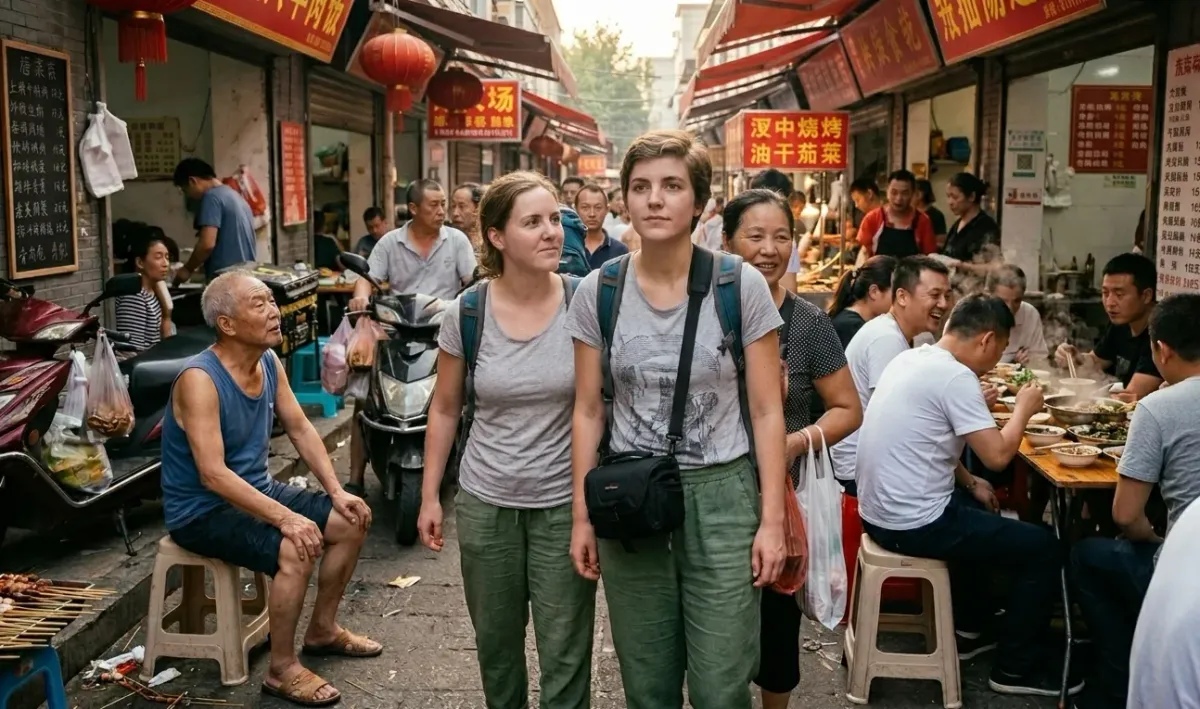
If you look noticeably foreign (especially if you are tall, have blonde hair, or are Black), people will stare at you. Do not be offended.
It Is Pure Curiosity
Outside of Tier 1 cities (Shanghai, Beijing), many locals rarely see foreigners in real life.
They Might Take Your Photo
Sometimes they will ask, sometimes they will try to do it sneakily. You can smile and pose, or just politely shake your head if you’re uncomfortable.
Children Might Point
This is not considered rude in their culture. They are just fascinated.
Restroom Etiquette & Tips
BRING YOUR OWN TOILET PAPER!
Many public restrooms in China (especially in older areas or public parks) do NOT provide toilet paper or hand soap. You must carry small tissue packets and hand sanitizer with you everywhere.
Squat Toilets
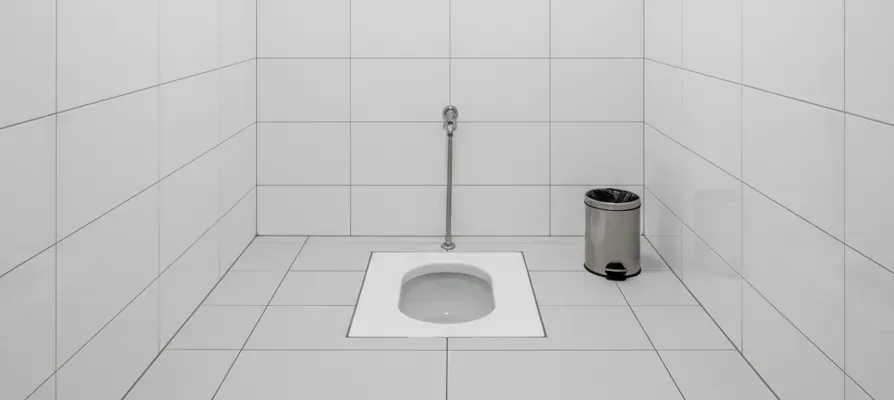
Outside of modern malls, hotels, and airports, you will mostly encounter “squat toilets” (a ceramic hole in the ground).
Don’t Flush the Paper
In older buildings, plumbing cannot handle toilet paper. Throw it in the small waste bin next to the toilet.
Finding Western Toilets
Look for the accessible/disabled stall, which almost always has a western sit-down toilet. High-end malls also usually have them.
Personal Space & Queues
Compact Personal Space
China has 1.4 billion people. In crowded areas, the concept of a ‘personal bubble’ is much smaller than in the West. If you leave a large gap in line, someone might naturally fill it, assuming you are not in the queue.
Subway Pushing
During rush hour, people will push you to get onto the train. It is not aggressive, it is just physics. Hold your ground and push back gently if needed.
Line Cutting
You may occasionally encounter line-cutting. A polite but firm ‘I’m in line’ (Wǒ zài páiduì) or a gentle tap on the shoulder usually resolves it.
Directness vs. Rudeness
Westerners often misinterpret Chinese behavior as rude, when it is simply a different communication style.
Loudness
Speaking loudly in public, on trains, or in restaurants is totally normal. It signifies energy and a good time, not anger.
Service Staff
Service in China is efficiency-oriented rather than relationship-oriented. While waiters won’t introduce themselves, it’s still polite to say ‘Xièxie’ when they serve you. To get their attention, calling out ‘Fúwùyuán!’ is standard and not considered rude.
Blunt Comments
Locals might bluntly call you “fat” or tell you that you look tired. In Chinese culture, this is often meant as an observation or a sign of care, not an insult.
Smoking
While banned in major city restaurants, you will still encounter heavy smoking in public areas, bathrooms, and smaller towns.